How Fishwife Scaled 15,000 New Retail Doors in Under a Year—With an Ops Team of Three

 By Jenna Movsowitz from Express Checkout
How Fishwife Scaled 15,000 New Retail Doors in Under a Year—With an Ops Team of Three
When a CPG brand lands a major retail account, the story that we tell is the launch—the announcement, the founder quote, the retailer logo. But behind each of these Instagram posts or headlines is a story we don't usually tell: what it actually takes to fulfill it.
We spoke with Jack Delano, the incredible Head of Operations at Fishwife—one of the fastest-growing omnichannel CPG brands in the country—to learn more about how they built their back end and why Jampack AI became the one platform in their tech stack that changed everything.
A quick ops dictionary before we get into it:
- ERP (Enterprise Resource Planning): The central software system managing inventory, orders, costs, and financials. Notoriously painful to implement.
- EDI (Electronic Data Interchange): The standardized way large retailers (Target, UNFI, Costco) send orders electronically. Notoriously clunky and expensive.
- PO (Purchase Order): A purchase order from a retailer or distributor. At small scale: a PDF in your inbox. At large scale: EDI. Either way, someone has to process it.
- 3PL (Third-Party Logistics): The warehouse and fulfillment partner that stores and ships your product. Most emerging brands outsource to one.
The Setup
Jack joined Fishwife in 2022 as the brand's first full-time employee. Co-founder Becca Millstein had spent the first year running the company largely on her own, and when it became clear that she needed someone dedicated to operations, Jack was it. He built the supply chain, found the partners, created the processes.
For a long time, that foundation ran on a Google Sheet with dozens of tabs for pallet orders, parcel orders, special customers, problem orders, exceptions.
- POs arrived by email, got manually typed into an internal Excel sheet, reformatted into a warehouse-specific template, then emailed to the 3PL.
- Freight quotes meant emailing multiple brokers, waiting, comparing manually, and booking by reply.
- On big days, dozens of orders moved through this process simultaneously, generating messy email chains that had to be babysat across a week.
It worked, but only because the ops team was willing to quite literally live in their inboxes.
The complexity isn't linear. Fishwife is omnichannel—DTC, Amazon, wholesale, and national retail all running simultaneously, each with its own logic. Add Costco programs with custom packaging, shipper displays rolling across supermarkets, and an international supply chain, and you're not dealing with "more orders = more work."
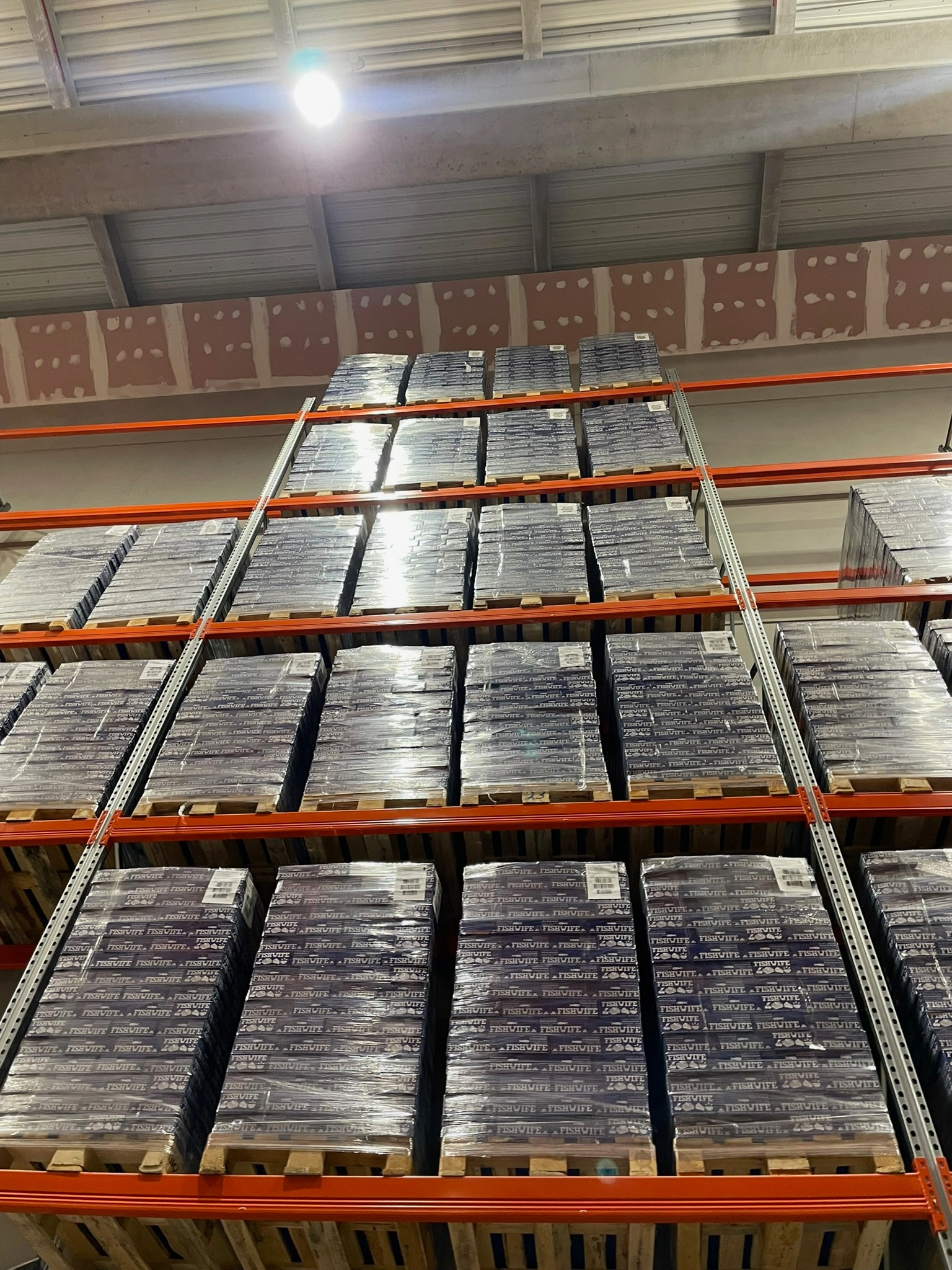
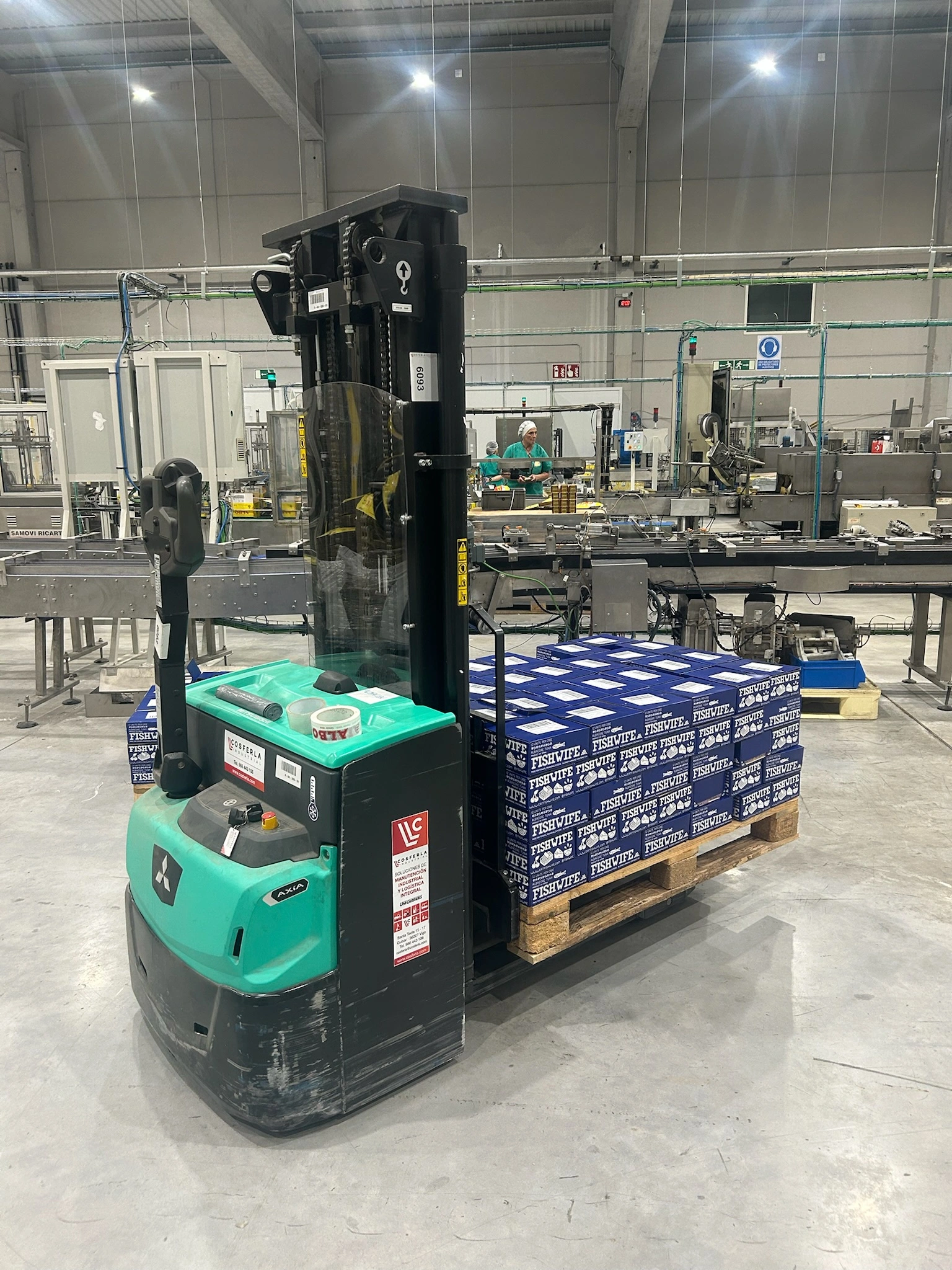
You're dealing with multiplicative complexity—which was, at the time, run by a two-person team.
The ERP Problem Nobody Warns You About
By 2025, Fishwife needed a real ERP—more retail programs, real COGS visibility, lot tracking, and EDI with accounts like Target and UNFI meant the spreadsheet era had to end.
What nobody tells you about ERPs, though, is that they make everything more accurate and more labor-intensive at the same time. Every inbound container's lot code and expiration date has to be captured, every outbound order needs to be tracked, and the ERP doesn't do that for you—it just makes the consequence of not doing it very clear, very fast.
Jack planned to hire a dedicated data entry person—40 hours a week of translating PDFs and Excel POs, formatting warehouse files, managing freight.
But that hire never happened.
The Discovery That Changed Everything
Around the time Fishwife's ERP was bracing for go-live, Jack rediscovered a platform called Jampack AI that had been floating around the team—and when Jack finally looked into it, he realized he was dealing with something "entirely novel."
Jampack was co-founded by Matteo Rossant, who ran logistics and sales operations at N!CK'S before starting the company—scaling that business from zero to $40 million in sales in under 18 months. He built Jampack to automate the ugly glue work that lives between your ERP, your warehouse, your freight brokers, and your inbox.
Concretely, that means:
POs arrive as PDFs or Excel files, Jampack AI reads and structures them automatically in one second (previously 10 minutes per PO).
Jampack AI pulls pallet dimensions and generates multi-broker quotes instantly with error-free shipping and easier benchmarking. Saves 15% due to fewer chargebacks and errors.
Instant visibility across all carriers, so sales can check order status without pinging ops.
That 40-hour-a-week data entry role was absorbed by the software, and Fishwife kept its ops team at three people while running a full omnichannel operation.
When Fishwife's incumbent EDI provider kept failing them, Jampack stepped in there too—and the shift gave Fishwife enough leverage to renegotiate with the incumbent and lower overall transaction costs. The relationship has since expanded to inbound logistics and a direct 3PL integration.
"It feels like we're developing this together," Jack says of the relationship. "You ask for something and it's done in minutes."
How Ops and Sales Both Win
There's a long-standing trope that ops and sales are structurally at odds—sales chases every opportunity, ops reins them in. Jack rejects that framing entirely.
"I want our ops team to be the ops team that says yes," he says. "Give me 20 more wholesale customers. I can populate them into Jampack in 20 minutes, and then all their orders will come in and they'll be perfect. Now I'm saying yes without knowing there's a piper to be paid at the end of it."
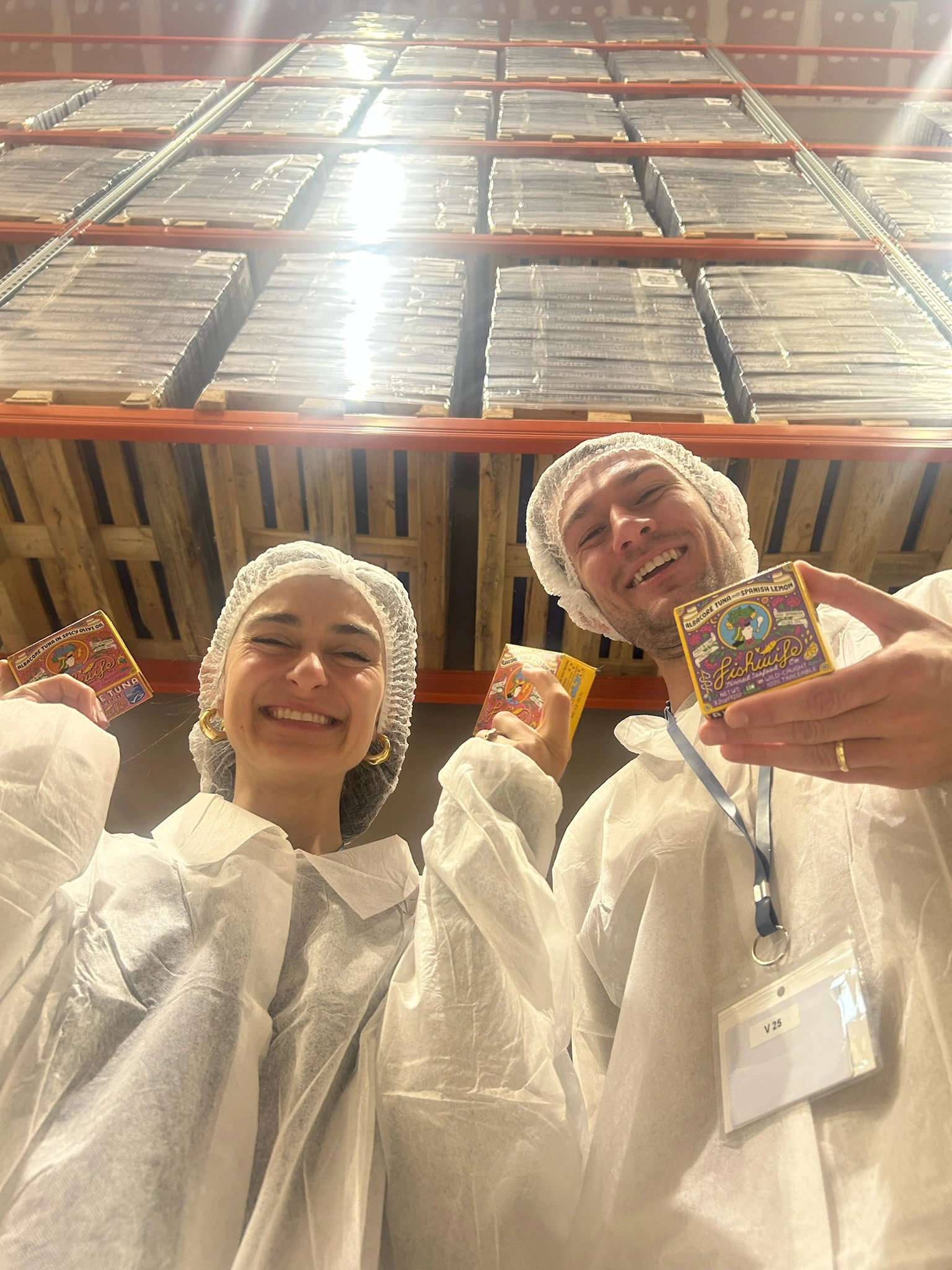
That shift has a downstream effect on how the whole company operates. Sales can pursue more accounts without the quiet dread of what it means for ops. And as Jampack's live tracking gets surfaced into more sales tools, the team's most common question—"where's this order?"—stops requiring anyone in ops to go find the answer.
The Bottom Line
Now that automated ops feels very within reach, Jack is building towards something bigger: an ops team where the work is about judgment, partner management, and strategic decisions… not copying and pasting data between systems.
"We want to be able to offer people jobs that are more impactful."
Fishwife's ops team is three people. Their supply chain is not three-people-sized. And when someone asks Jack whether other brands should use Jampack, his answer is simple:
"I tell everyone, even if they don't ask me."


Related Articles
How immi Took Its DTC-Famous Ramen Into National Retail with Jampack AI

We Raised $3.2M to Automate Wholesale Operations for CPG Brands.
General AI vs. Specialized AI: Why CPG Ops Needs an Operator, Not a Consultant